Looking for weekly teen therapy? We can help with that too. → Learn More

Krippa Family Psychological & Wellness Services Teen IOP Program
  • Teen IOP
  • Start Here
  • Teen IOP At A Glance
  • What Happens Next
  • School Refusal Treatment
  • Teen Depression Treatment
  • Teen Anxiety Treatment
  • DBT
  • Teen Suicidal Thoughts
  • Teen Self-Harm Treatment
  • Medication Management
  • Psychological Evaluations
  • Cornelius
  • Virtual IOP
  • Our Clinicians
  • Videos
  • Newsletters
  • Contact Us
  • Our Future
  • Blank
  • More
    • Teen IOP
    • Start Here
    • Teen IOP At A Glance
    • What Happens Next
    • School Refusal Treatment
    • Teen Depression Treatment
    • Teen Anxiety Treatment
    • DBT
    • Teen Suicidal Thoughts
    • Teen Self-Harm Treatment
    • Medication Management
    • Psychological Evaluations
    • Cornelius
    • Virtual IOP
    • Our Clinicians
    • Videos
    • Newsletters
    • Contact Us
    • Our Future
    • Blank
Krippa Family Psychological & Wellness Services Teen IOP Program
  • Teen IOP
  • Start Here
  • Teen IOP At A Glance
  • What Happens Next
  • School Refusal Treatment
  • Teen Depression Treatment
  • Teen Anxiety Treatment
  • DBT
  • Teen Suicidal Thoughts
  • Teen Self-Harm Treatment
  • Medication Management
  • Psychological Evaluations
  • Cornelius
  • Virtual IOP
  • Our Clinicians
  • Videos
  • Newsletters
  • Contact Us
  • Our Future
  • Blank

Teen DBT Therapy

Helping Teens Build the Skills to Manage Emotions and Thrive

 When emotions feel overwhelming, teens often struggle to know what to do next. They may shut down, lash out, withdraw from family and friends, engage in self-harm, or feel trapped by anxiety, depression, or intense emotions.


Dialectical Behavior Therapy (DBT) is one of the most effective evidence-based treatments for adolescents experiencing emotional dysregulation. Rather than simply talking about problems, DBT teaches practical skills that help teens understand their emotions, tolerate distress, improve relationships, and make healthier choices.


At Krippa Family Psychological & Wellness Services, DBT is the foundation of our Teen Intensive Outpatient Program and is incorporated into individual therapy when clinically appropriate. Our goal is to help teens gain the confidence and skills they need to navigate life's challenges while supporting parents throughout the treatment process.

Schedule A Confidential Consultation

Evidence-Based • Family-Focused • Serving Teens Across North Carolina

What Is Dialectical Behavior Therapy (DBT)?

Dialectical Behavior Therapy (DBT) is an evidence-based treatment designed to help teens better understand and manage overwhelming emotions. Originally developed to treat chronic emotion dysregulation, DBT is now widely used to support adolescents experiencing anxiety, depression, self-harm, suicidal thoughts, impulsive behaviors, school refusal, and relationship difficulties.


Unlike traditional talk therapy, DBT focuses on teaching practical skills that teens can use in everyday life. Through guided practice and real-world application, adolescents learn how to pause before reacting, cope with difficult emotions, communicate more effectively, and make choices that align with their long-term goals.


At Krippa Family Psychological & Wellness Services, we believe learning a skill is only the first step. Teens also need opportunities to practice those skills in a supportive environment and apply them at home, at school, and in their relationships. That is why DBT is woven throughout our Teen Intensive Outpatient Program and incorporated into individual therapy when it supports a teen's treatment goals.

DBT helps teens learn to:

  • Manage intense emotions 
  • Reduce impulsive reactions 
  • Cope with stress in healthier ways 
  • Improve relationships with family and peers 
  • Build confidence and resilience 
  • Navigate life's challenges with practical skills


If your teen needs more support than weekly therapy alone, learn how our Teen Intensive Outpatient Program uses DBT to provide structured, evidence-based care.
 

Is DBT Right for My Teen?

 Every teen experiences stress and strong emotions from time to time. However, when emotions begin to interfere with school, relationships, family life, or daily functioning, additional support may be needed. DBT helps teens develop practical skills to better manage emotions, tolerate distress, and respond to challenges in healthier ways.


Your teen may benefit from DBT if they:

  • Experience frequent anxiety, sadness, or mood changes 
  • Feel overwhelmed by their emotions 
  • Engage in self-harm or have thoughts of suicide 
  • React impulsively or have difficulty controlling anger 
  • Avoid school or struggle with school attendance 
  • Have frequent conflict with parents, siblings, or peers 
  • Have difficulty coping with stress or change 
  • Struggle with low self-esteem or feelings of worthlessness 
  • Have trouble maintaining healthy friendships 
  • Feel "stuck" despite participating in outpatient therapy 


Many teens who benefit from DBT are bright, caring, and motivated but simply haven't yet developed the skills needed to navigate overwhelming emotions. Learning these skills can improve confidence, strengthen relationships, and help teens feel more in control of their lives.

You Don't Have To Figure This Out Alone

If you're unsure whether your teen would benefit from DBT, our team can help you determine the most appropriate level of care. Whether your teen is best served through individual therapy, our Teen Intensive Outpatient Program, medication management, psychological evaluation, or another service, we'll help guide you toward the right next step. 

The Four Cope Ahead Skills

DBT is built around four core skill areas that help teens respond to life's challenges in healthier, more effective ways. These skills aren't just discussed in therapy—they're practiced repeatedly so teens can begin using them at home, at school, and in their relationships.

Mindfulness

Mindfulness teaches teens to slow down and become more aware of their thoughts, emotions, and behaviors without immediately reacting to them. By learning to stay present in the moment, teens are better able to make thoughtful decisions instead of acting on impulse or becoming overwhelmed by difficult emotions.


Mindfulness helps teens:

  • Recognize emotions before they escalate 
  • Improve focus and attention 
  • Reduce impulsive reactions 
  • Feel more grounded during stressful situations

Distress Tolerance

Life includes painful emotions and difficult situations that can't always be changed immediately. Distress Tolerance skills help teens get through those moments safely and effectively without making the situation worse through unhealthy coping behaviors.


Distress Tolerance helps teens:

  • Manage emotional crises 
  • Reduce self-destructive behaviors 
  • Cope with disappointment and frustration 
  • Build resilience during difficult moments

Emotional Regulation

Many teens know they're overwhelmed but don't know how to change it. Emotion Regulation teaches adolescents to understand what they're feeling, identify emotional triggers, and develop healthier ways to manage intense emotions.


Emotion Regulation helps teens:

  • Reduce emotional highs and lows 
  • Better manage anxiety and depression 
  • Increase confidence 
  • Respond rather than react

Interpersonal Effectiveness

Healthy relationships require communication, boundaries, and problem-solving skills. Interpersonal Effectiveness helps teens express their needs respectfully while maintaining healthy relationships with family, friends, teachers, and peers.


Interpersonal Effectiveness helps teens:

  • Improve communication 
  • Set healthy boundaries 
  • Navigate conflict more effectively 
  • Strengthen friendships and family relationships

DBT Skills Are Meant To Be Used Every Day

Learning DBT isn't about memorizing concepts—it's about developing practical skills that teens can use in everyday situations. Whether they're navigating school stress, friendships, family conflict, or overwhelming emotions, these tools help adolescents respond with greater confidence and resilience.

How We Bring DBT Skills To Life

Learning DBT skills is only the beginning. Lasting change happens when teens have opportunities to practice those skills, receive feedback, and apply them in real-life situations.


At Krippa Family Psychological & Wellness Services, we believe DBT is most effective when it is active, engaging, and relevant to a teen's everyday experiences. Rather than relying solely on discussion, we incorporate experiential activities, mindfulness exercises, movement, role-playing, and collaborative skill practice to help teens build confidence using the skills they are learning.


Our clinicians create a supportive environment where teens can safely practice new ways of responding to stress, navigating relationships, and managing difficult emotions. As skills grow, teens are encouraged to apply them at home, at school, and in their daily lives.


Because lasting progress extends beyond the therapy room, we also involve parents whenever appropriate. Helping families understand the DBT skills their teen is learning allows them to reinforce those strategies at home and support continued growth.
Why Families Choose Our Program

Families choose our practice because we offer more than DBT skills training—we provide comprehensive, coordinated care tailored to each teen's needs.


Our services may include:

  • DBT-informed individual therapy 
  • A DBT-based Teen Intensive Outpatient Program (IOP) 
  • Psychological evaluations 
  • Medication management when clinically appropriate 
  • Family therapy and parent support 
  • Collaboration with schools and other providers 
  • In-person and virtual treatment options 


By offering multiple levels of care within one practice, we can help families find the right level of support while providing continuity throughout their teen's treatment journey.

Comprehensive Care All In One Practice

 Whether your teen needs weekly therapy, a psychological evaluation, medication management, or a more intensive level of care through our Teen IOP, our team works together to provide coordinated, individualized treatment designed to support long-term success.


Dialectal Behavioral Therapy (DBT)

DBT is greatly utilized in our IOP group. Group members build skills to think dialectically. Examples of this way of thinking are:

  • Following the middle path, considering all sides to a situation 
  • Remembering that opposites can both be true at the same time
  • Moving away from "either-or" thinking to "both-and" thinking
  • Avoiding words like "always" or "never"
  • Using "I feel" statements instead of "you" statements

"I am doing the best I can and I can do better, try harder, and be more motivated to change."


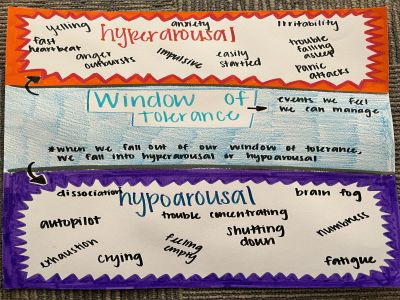
Below are some of the skills teens learn to incorporate into their lives via DBT.

A serene landscape featuring rolling hills, a clear sky, and a tranquil river flowing through the scene.

DBT Skills

    DBT Skills In Action

    See how teens practice DBT skills activities
    Explore Program Activities

     Explore these short educational videos to better understand some of the DBT skills your teen may learn during treatment. These resources are provided for educational purposes and complement—not replace—individualized therapy. 

    DBT Skills Videos

    Mindfulness

    TIPP

    DEARMAN

    ABC PLEASE

    WISE MIND

    ACCEPTS

    Ready For Your Teen to Build Lasting Skills?

    Every teen deserves the opportunity to learn healthier ways to manage emotions, strengthen relationships, and build healthy coping skills. Whether your adolescent is struggling with anxiety, depression, emotional dysregulation, self-harm, or another mental health concern, we're here to help.


    We'll work with you to understand your teen's unique needs and recommend the level of care that's right for your family.

    Schedule A Confidential Consultation
    CallEmail

    Copyright © 2026 Krippa Family Psychological & Wellness Services Teen IOP Program - All Rights Reserved.

    Powered by

    • Teen IOP
    • Start Here
    • Teen IOP At A Glance
    • What Happens Next
    • Teen Depression Treatment
    • Teen Anxiety Treatment
    • DBT
    • Teen Suicidal Thoughts
    • Teen Self-Harm Treatment
    • Medication Management
    • Psychological Evaluations
    • Cornelius
    • Our Clinicians
    • Our Future
    • Blank

    This website uses cookies.

    We use cookies to analyze website traffic and optimize your website experience. By accepting our use of cookies, your data will be aggregated with all other user data.

    Accept